Razor Go Side Mount

Razor 4 Side Mount System (Complete)

A dedicated sidemount harness and dual-bladder wing system designed by cave-diving pioneer Steve Bogaerts, built around a soft, backplate-free harness rather than a rigid plate.

Wing / backplate

Modular harness and wing, the standard technical-diving setup. Expect to configure backplate, wing, and harness separately rather than buying a fixed jacket.
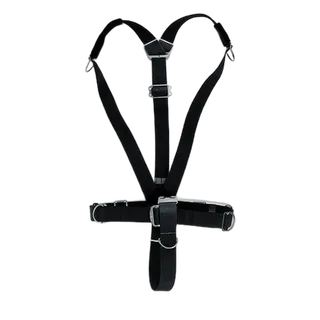
Razor 4 Side Mount System (Complete)
$889
Released2022
Stylewing backplate
Weight-integratedYes
Lift capacity35 lbs
Backplatenone
D-rings8
Trim pocketsYes
Material2 in nylon webbing harness with passivated stainless steel hardware; wing bladder with redundant primary and backup air cells
Travel-friendlyNo
Dry weight
Fitunisex
SizesOne size, fully adjustable webbing

"Lift capacity" is the manufacturer-rated buoyancy the wing/bladder can provide at the surface. Match it to your exposure suit, tank, and weighting, not the biggest number available.

Pros
  • Redundant primary and backup air cells in the BAT wing provide buoyancy backup without a separate secondary bladder, valuable for cave and overhead diving
  • Soft, backplate-free harness keeps the rig low-profile and packable compared to rigid backplate-and-wing systems
  • Modular pocket weight system (up to 12 kg) and an expandable storage pouch let divers configure the rig for cold-water doubles or warm-water single-cylinder sidemount
Cons
  • Purpose-built for sidemount configuration (cylinders slung at the hips), not a general-purpose single-tank recreational BCD like the other wing-backplate entries in this catalog
  • No rigid backplate, so it lacks the load-bearing structure of stainless/aluminum-plate systems; lift is fixed at 35 lb, with no smaller/larger wing swap for this base package
  • A lighter "Travel Harness" variant is sold separately; total assembled-system weight and this generation's exact release year are not published by the manufacturer
Diver community sentiment
Mostly positive

Divers on Scubaboard generally praise the Razor's build quality, describing it as solid, well-made with quality parts, and a durable "Bat Wing" bladder design so influential it became the most-copied wing shape in sidemount gear. Owners like its redundant dual-bladder setup, adjustable sliding D-rings, and streamlined empty profile, especially for smaller/slimmer body types. The recurring complaint is that the system is "fiddly" and takes noticeably longer to configure than competitors like XDeep, with a real learning curve best smoothed by a Razor-specific course; some also note it's optimized for warm-water AL80 diving and less at home with steel tanks/drysuits in cold cave environments.

Summarized from public forum discussion (Scubaboard, Reddit, and similar), not a survey we ran ourselves. See the linked threads for the original conversations.

The Razor 4 is the current generation of the sidemount harness system originally designed by cave-diving pioneer Steve Bogaerts, developed together with HP Hartmann and sold today by Razor Go Side Mount (earlier versions include the Razor 1, introduced in 2006, and the Razor 2, released in 2011). Unlike backplate-and-wing rigs built around a single back-mounted cylinder, the Razor 4 is a dedicated sidemount system: a soft, backplate-free harness paired with the Razor 4 BAT Wing, a 35 lb wing with redundant primary and backup air cells, plus a pocket weight system and expandable storage pouch, all built to carry cylinders slung at the diver’s hips rather than one on the back. It’s aimed at cave, wreck, and technical divers moving into sidemount, not recreational divers looking for a standard single-tank BCD.